Choosing the Right Pool Deck Material for Lowcountry Homes
Travertine, pavers, natural stone, or concrete? How coastal South Carolina's salt air, sandy soil, and summer heat should shape your pool deck decision.
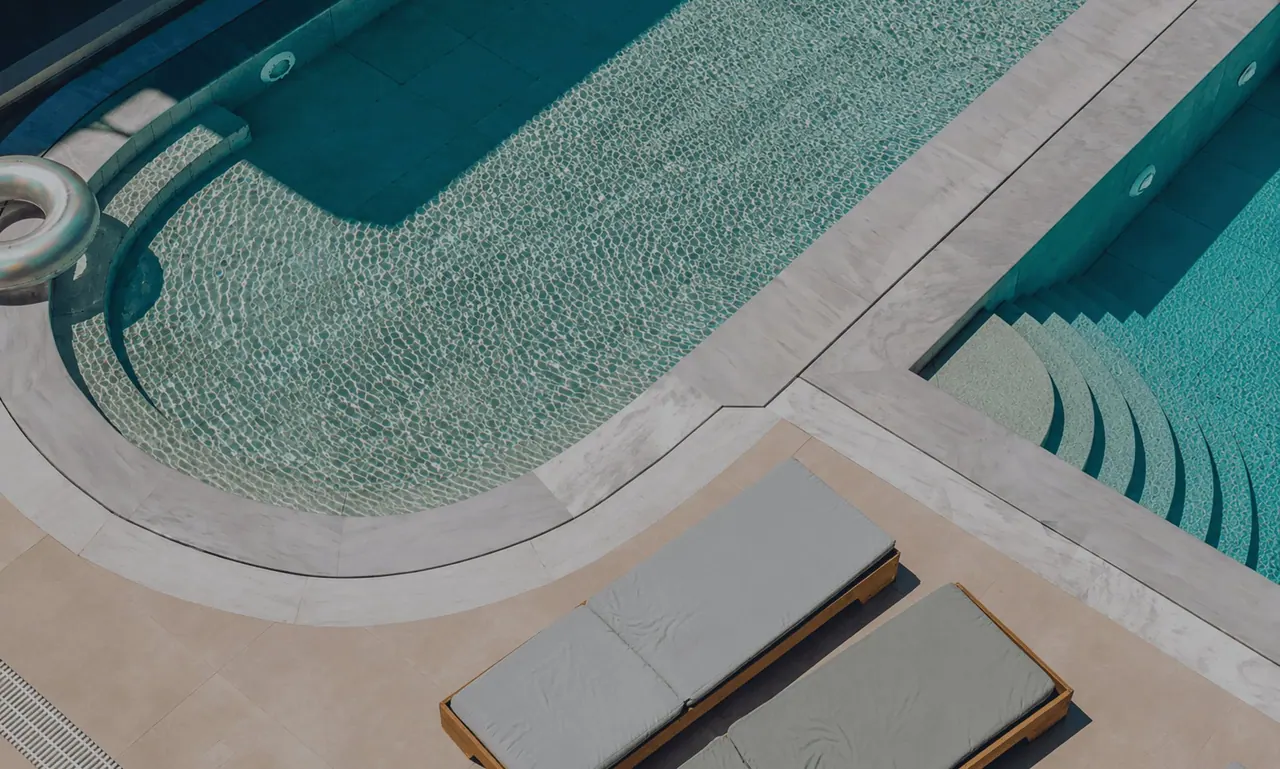
A pool deck in the Lowcountry lives a harder life than one almost anywhere else. Between Bluffton and Hilton Head Island, your deck faces salt-heavy air drifting off the May River and Calibogue Sound, months of high humidity, punishing summer sun, and the occasional tropical system pushing sideways rain across the yard. Add sandy coastal soil that shifts and settles, and the material you choose matters far more here than it does inland.
The right choice depends on your home’s architecture, how you use your pool, and the community you live in — what fits a marsh-front lot in Palmetto Bluff isn’t always what belongs behind a golf-course home in Sea Pines or Berkeley Hall. And because most Lowcountry neighborhoods route exterior changes through an Architectural Review Board, the material conversation and the approval conversation should happen together.
Below is how the four main pool deck materials hold up in coastal South Carolina, and the details that separate a deck that lasts from one that doesn’t. For a side-by-side comparison of every option, see our travertine vs porcelain comparison.
Travertine: The Lowcountry Favorite
There’s a reason travertine shows up around so many pools from Old Town Bluffton to Palmetto Dunes. It stays noticeably cooler underfoot than concrete in July heat, its natural texture stays grippy when wet, and its stone-on-sand look pairs beautifully with the coastal palette — whites, ivories, and warm sand tones that complement tabby accents and painted brick.
Travertine is a natural stone, so it handles salt air well, and individual pavers can be lifted and reset if the ground ever settles — a real advantage on the sandy soils common from the May River bluffs out to the Okatie waterfront. For homeowners who want the classic luxury Lowcountry look, it’s usually the first material we walk through during a site visit.
Concrete Pavers: Design Flexibility and Easy Repairs
Paver pool decks give you the widest range of color, pattern, and texture — from tumbled, old-world looks that suit historic Bluffton character near the Calhoun Street promenade to clean large-format styles for modern builds in Hampton Lake or Latitude Margaritaville. Because the deck is made of individual units over a compacted base, repairs are simple: if a section settles or a paver stains, we replace that piece, not the whole deck.
Pavers also perform well with the drainage planning coastal lots need. A properly graded paver deck moves storm water away from the pool shell and the house — something we design into every project before the first paver is set. The same thinking carries into paver patio design around the pool.
Natural Stone and Finished Concrete Options
Beyond travertine, natural stone like shellstone brings character you can’t replicate with manufactured products. Shellstone in particular — with visible shell and coral fossil patterns — feels made for coastal South Carolina, and it stays cool and slip-resistant. It tends to suit statement backyards: marsh-view lots along the Colleton River, larger entertaining spaces in Belfair or Oldfield, and renovations where the goal is a resort feel at home — or go all the way to marble, like our Port Royal white marble pool deck.
A poured concrete deck with a salt finish or textured coating remains a solid, understated option for contemporary homes. The tradeoffs in our climate: concrete runs hotter underfoot, and large slabs can crack as sandy soil moves, so control joints and base prep have to be done right the first time. If your existing concrete deck is worn or dated, a renovation — resurfacing, recoating, or overlaying with pavers or stone — is often the smartest path. That’s a big part of our pool deck and renovation work across the area.
Coping, Drainage, and ARB Approval
The deck surface gets the attention, but three details separate a deck that lasts from one that doesn’t. Coping — the edge material where deck meets water — takes the most abuse from chlorine, salt systems, and bare feet, and should be chosen alongside your deck material, not as an afterthought. Drainage matters because Lowcountry storms drop a lot of water fast; deck slope, channel drains, and base preparation protect both the pool and your home’s foundation. And in most gated communities from Sea Pines to Palmetto Bluff, ARB approval is required for materials and colors — we prepare documentation for Architectural Review Board submissions as part of our process, so approval doesn’t stall your project. Here’s how ARB and HOA approval works.
If your project reaches beyond the deck itself — a full pool renovation, lighting, or surrounding landscape — we coordinate trusted partner builders so you have one team managing the entire backyard, start to finish.
Get a Deck Built for the Lowcountry
Every backyard, lot, and community is different, which is why we quote every project individually after a free site visit. Whether you’re in Bluffton, Hilton Head Island, or anywhere across the Lowcountry, Palm Shore Hardscapes & Design will walk your space, talk through materials, and design a pool deck backed by our 1-year structural and cosmetic warranty. Have more questions first? Browse our FAQ, then request your free estimate.

Miguel Gallegos leads Palm Shore Hardscapes & Design, the Bluffton design & build team behind 1,000+ pool decks, patios and outdoor kitchens across the Lowcountry since 2016. Meet the team
Quick answers related to "Choosing the Right Pool Deck Material for Lowcountry Homes".
Still Have Questions?
Not sure where to start? Talk with Palm Shore about your property, your ideas, and your timeline — before you commit to anything.
From the Palm Shore Journal
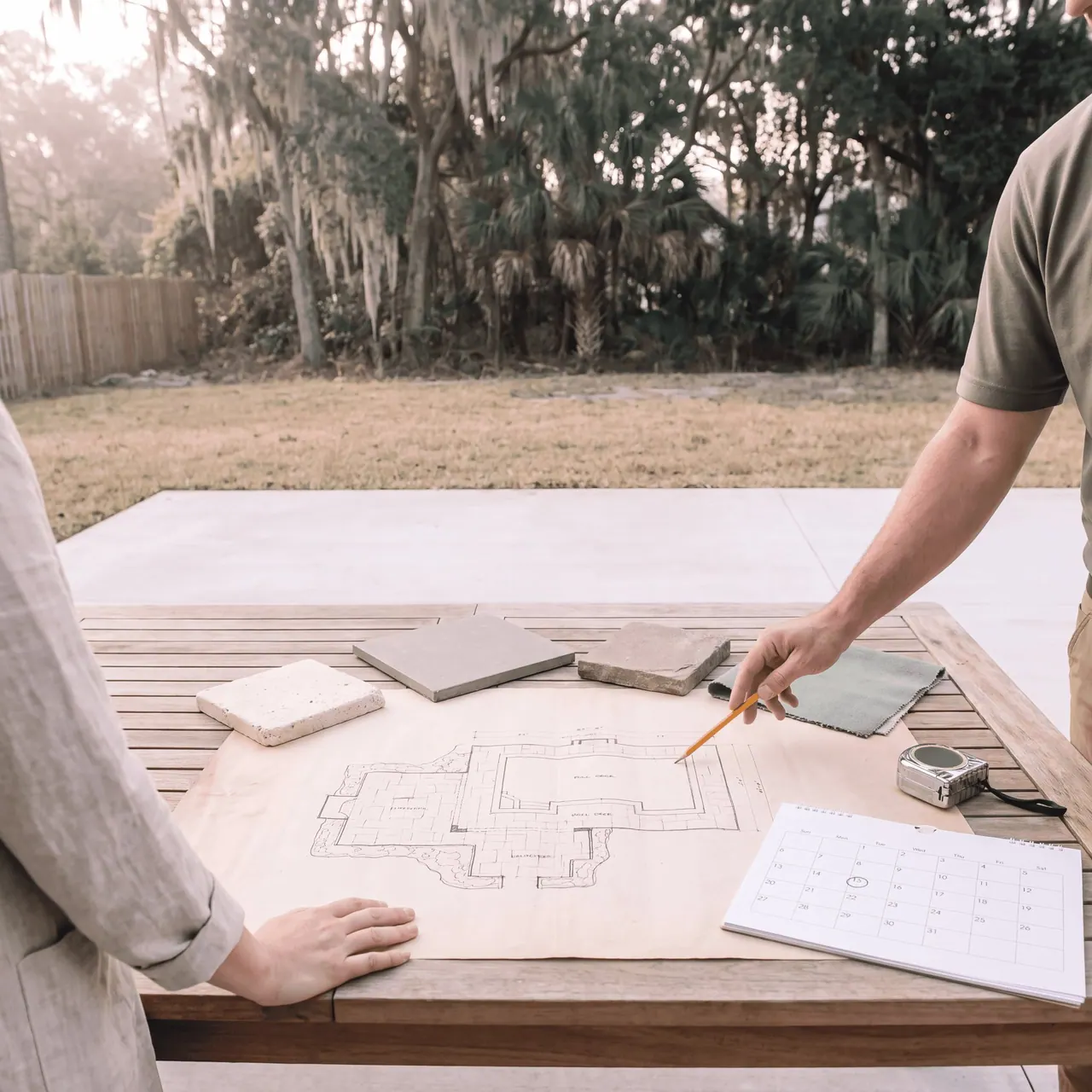

From the first site visit to the final paver, Palm Shore builds pool decks, patios, and outdoor kitchens that feel like they were always part of your home.